













FAQs
If you have any other questions, feel free to email us or give us a call
Is Paint Protection Film actually worth it?
Yes, PPF is worth it if you care about keeping your paint clean, especially on a newer car, luxury car, performance car, Tesla, truck, SUV, or daily driver that sees a lot of highway driving.
PPF is not magic, but it does a very important job. It creates a clear layer between your paint and the road. That layer helps take the hit from small rocks, sand, salt, bugs, road debris, and light scratches before they reach your paint.
If your car is brand new, PPF makes the most sense because the paint is still clean. If your car already has a lot of chips, scratches, or bad paint, we will be honest with you before recommending it.
At Tint Wrapture, we do not believe every customer needs full vehicle PPF. For most people, the best value is protecting the areas that get damaged first: front bumper, hood, fenders, mirrors, headlights, rocker panels, door cups, and door edges.
Does PPF stop all rock chips?
PPF helps protect against rock chips, but no film can make your vehicle indestructible.
Think of PPF like a clear shield over your paint. It can absorb a lot of normal road damage from small rocks, sand, bugs, salt, and debris. But if a large rock hits hard enough, or if something sharp hits at high speed, it can still damage the film or even go through it.
That is why we explain PPF the honest way:
PPF helps prevent a lot of common paint damage.
PPF does not stop dents.
PPF does not stop every deep impact.
PPF does not make bad paint perfect.
The goal is not to make the car bulletproof. The goal is to protect the paint from the normal damage that happens every time you drive.
Should I get full front PPF or full vehicle PPF?
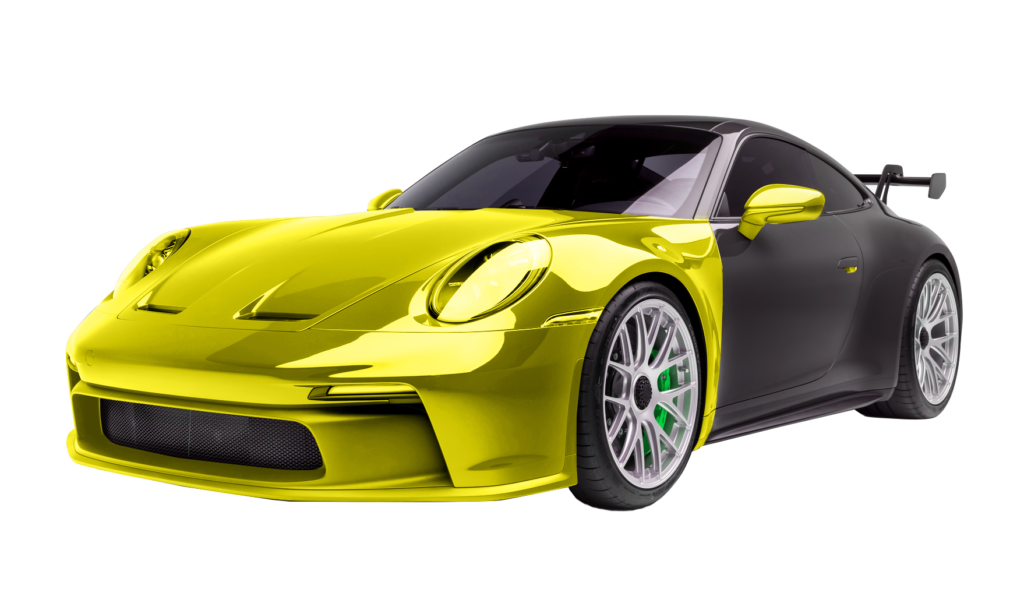
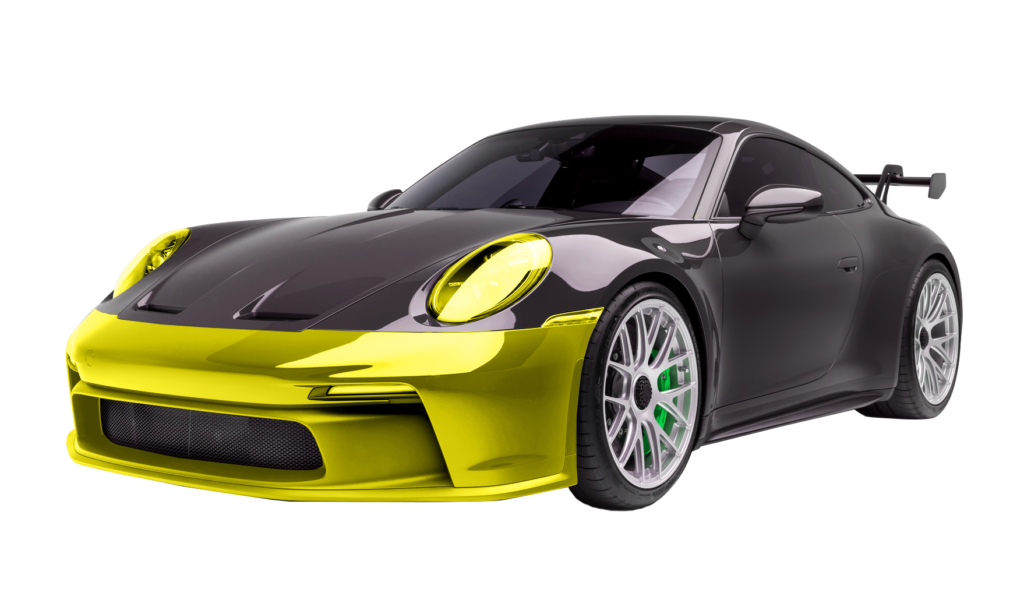
For most customers, Full Front PPF is the best starting point.
That usually protects:
• Full front bumper
• Full hood
• Full front fenders
• Side mirrors
• Headlights, if applicable
These are the areas that get hit the most while driving. Your front bumper takes bugs, rocks, salt, and road debris first. Your hood and fenders are also in the direct impact zone.
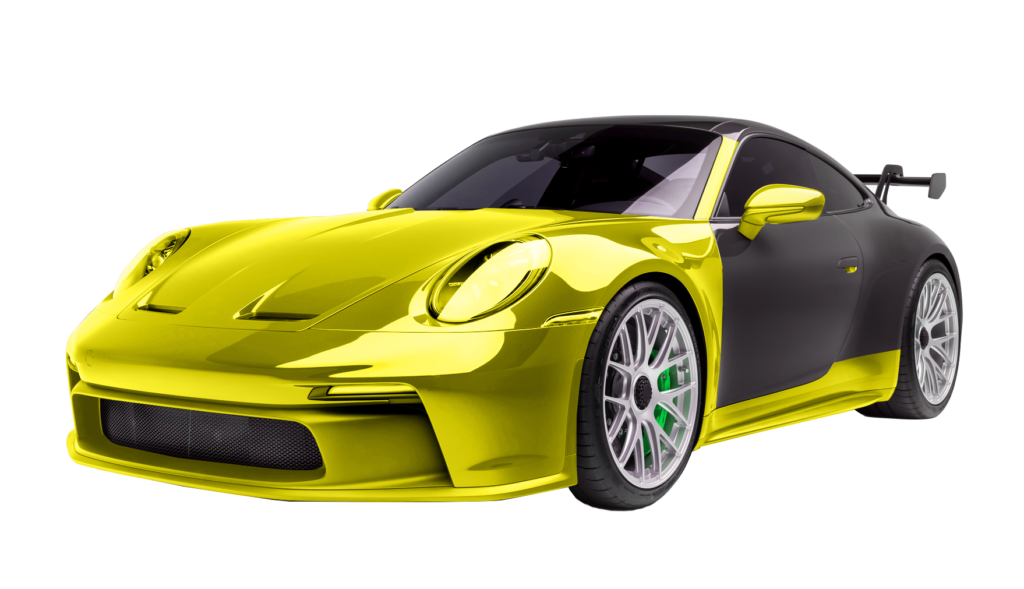
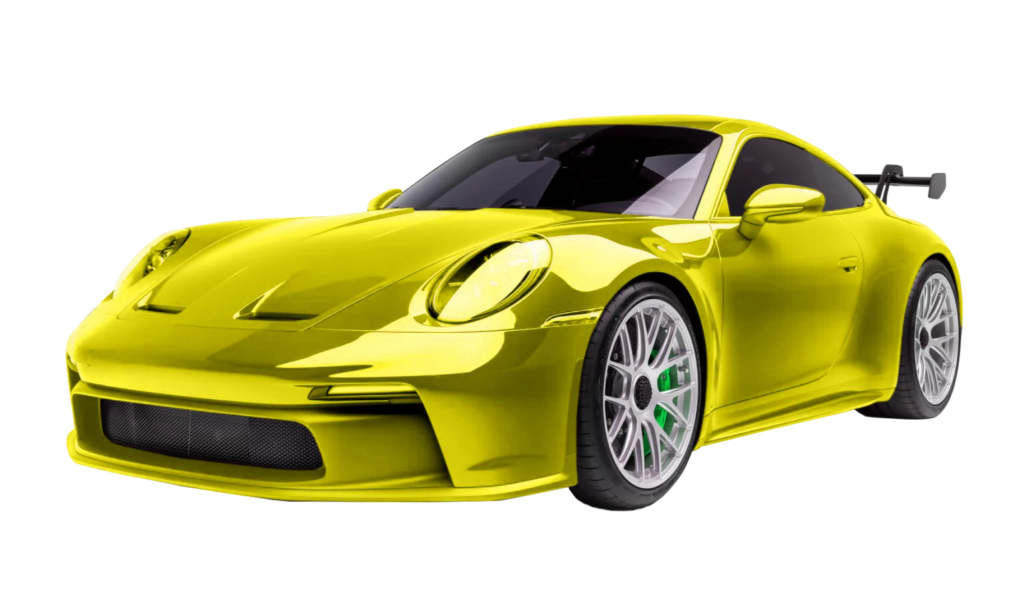
Full Vehicle PPF is best if you want the highest level of protection, have a high-value vehicle, own a collector car, have matte paint, or plan to keep the vehicle long-term.
The simple answer:
Choose Full Front PPF if you want the best value.
Choose Track Pack if you drive hard or drive highways often.
Choose Full Vehicle PPF if you want maximum protection.
Choose Matte PPF if you want a satin look and paint protection together.
Is PPF better than ceramic coating?
PPF and ceramic coating do different jobs.
PPF protects against physical damage.
That means rock chips, road debris, scratches, scuffs, bug stains, salt, and high-impact areas.
Ceramic coating helps with maintenance.
That means gloss, slickness, water beading, easier washing, and keeping dirt from sticking as easily.
Ceramic coating does not stop rock chips. PPF does.
The best setup for many customers is:
• PPF on high-impact areas
• Ceramic coating over the paint and PPF
• Nano Ceramic window tint for comfort and heat rejection
That gives you impact protection, easier cleaning, and a better driving experience.
Should I ceramic coat over PPF?
Yes, ceramic coating over PPF can be a great upgrade.
PPF protects the paint from impact. Ceramic coating helps make the PPF easier to clean.
This is helpful on areas like the front bumper, hood, mirrors, and rocker panels because those areas collect bugs, road grime, salt, and dirt.
A coating over PPF can help with:
• Easier washing
• Better water beading
• More slickness
• Less grime sticking to the film
• A cleaner glossy finish
It does not make the PPF stronger against big impacts, but it does make the surface easier to maintain.
Can PPF go over rock chips?
Yes, PPF can go over rock chips, but the chips may still show.
PPF is clear. It protects what is underneath, but it does not hide damage like paint or bodywork.
If your bumper or hood already has chips, those small marks can still be visible under the film. In some cases, touch-up paint can help, but it must be done carefully because uneven touch-up paint may leave texture under the film.
This is why we always inspect the vehicle first.
If the paint is clean, PPF will look cleaner.
If the paint has chips, PPF can still protect it from more damage.
If the paint is peeling, rusted, or badly repainted, PPF may not be the right first step.
Do I need paint correction before PPF?
Not always.
If your vehicle is new or the paint is already clean, you may only need proper wash and prep before PPF.
If your paint has swirls, haze, scratches, water spots, oxidation, or dullness, we may recommend polishing before the film goes on.
This matters because PPF is clear. If the paint underneath looks scratched or hazy, the film can lock in that look.
We do not recommend polishing just to upsell you. We recommend it only when it will make the finished result look better.
Will PPF hide scratches?
PPF can hide or reduce the look of some very light marks, but it will not hide deep scratches, chips, dents, peeling clear coat, or bad paint.
If the scratch is in the paint, it may still show under the film.
If the scratch is light and only in the clear coat, polishing before PPF may improve it.
The cleaner the paint is before installation, the better the PPF will look after installation.
Does PPF self-heal?
Many premium PPF films have a self-healing top layer.
That means light surface marks, wash marks, and small swirls in the film can reduce with heat from the sun, warm water, or proper care.
But self-healing has limits.
It can help with light surface marks.
It will not fix deep cuts.
It will not fix torn film.
It will not fix dents.
It will not repair paint damage under the film.
Self-healing is a great feature, but the best protection still comes from good film, proper install, and proper care.
How long does PPF last?
Most quality PPF films are made to last several years when installed and maintained properly. Many premium films come with long manufacturer warranty coverage.
How long it looks its best depends on:
• Film quality
• Install quality
• Sun exposure
• Washing habits
• How often the car is driven
• Whether it is garage kept or parked outside
• Road salt, bugs, and winter grime
• How quickly contamination is cleaned off
If the car is driven daily in New Jersey, especially during winter, proper maintenance matters.
Is full vehicle PPF worth the money?
Full vehicle PPF is worth it for certain customers, but not everyone.
It makes the most sense for:
• Exotic cars
• High-end luxury cars
• Collector vehicles
• Matte paint vehicles
• Brand-new vehicles
• Cars with expensive paint
• Owners who plan to keep the car long-term
• Customers who want maximum protection
For the average daily driver, full front PPF or track pack coverage may be the better value.
That is why we do not push full vehicle PPF on every customer. We help you choose the package that fits the car and the way you drive.
Will PPF edges be visible?
Sometimes, depending on the panel, coverage, and install style.
PPF is clear, so the goal is for it to blend into the vehicle as much as possible. On some panels, edges can be tucked or wrapped. On others, the edge may be visible depending on the shape, body line, sensor area, or trim.
A clean install should not look bulky, dirty, crooked, or rushed.
At Tint Wrapture, we plan the coverage, edges, seams, and film layout before installation so the final result looks clean up close.
Can you install PPF on headlights?
Yes. Headlight PPF is a smart add-on.
Headlights get hit by rocks, sand, salt, bugs, and road debris. Over time, they can get pitted, scratched, faded, or yellowed.
Headlight PPF helps protect the lens from small impacts and daily wear. It is a popular add-on with full front PPF, front bumper PPF, and track pack installs.
What is the best PPF package for a Tesla?
For most Tesla owners, the best package is Full Front PPF or Track Pack.
Teslas often have large front bumpers, smooth body lines, and lower rocker areas that can take abuse from road debris.
A good Tesla setup is:
• Full front bumper
• Full hood
• Full fenders
• Mirrors
• Headlights
• Rocker panels
• Door cups
• Door edges
For customers who want the highest level of protection or a satin look, full vehicle PPF or matte PPF is also a strong option.